


09 Feb Museum of cast-iron art of Maremma
Museum of cast-iron art of Maremma
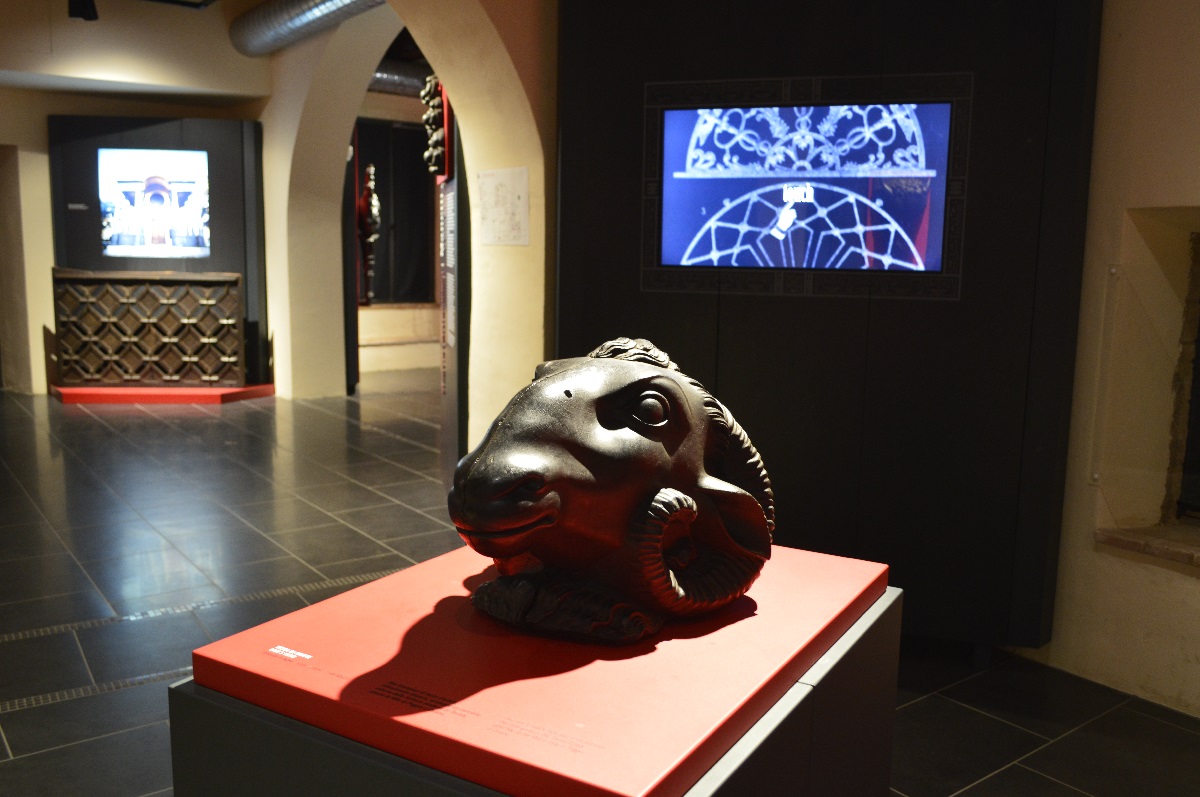
The museum, located in the rooms of the San Ferdinando foundry, was born from an intention of recounting the story of the people and the production of the steel plant of Follonica.
The ancient walls of this building, in operation for the entire 19th century, come back to life in an interactive multimedia setup in which the visitor becomes an active part of the working of cast-iron and becomes aware of the immense human contribution to the mining history of this region.
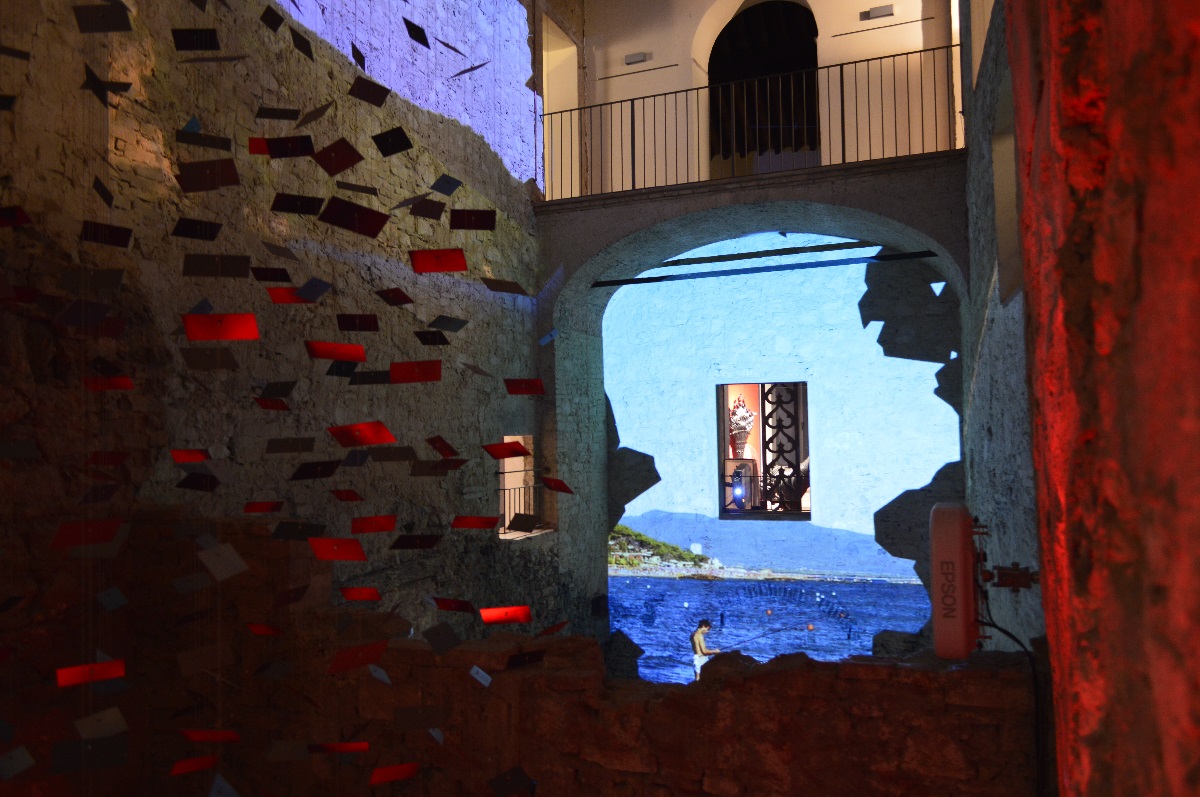
At the beginning of the exhibit you meet the imposing structure of the blastfurnace: an avalanche of sheets of different materials recreates the various phases of production: the sheets below, red, for the lighting of the furnace; the metallic ones in the middle remind of the mineral thrown into the furnace together with the carbon and finally the transparent sheets above represent the smoke. On the walls of the blastfurnace the immages of the shadows of the workers come to life, then a casting of redhot iron covers the walls and make them incandescent. In the casting various cracks open up, more and more of them until Follonica with its amazing sea appears.
The art, the history, the production
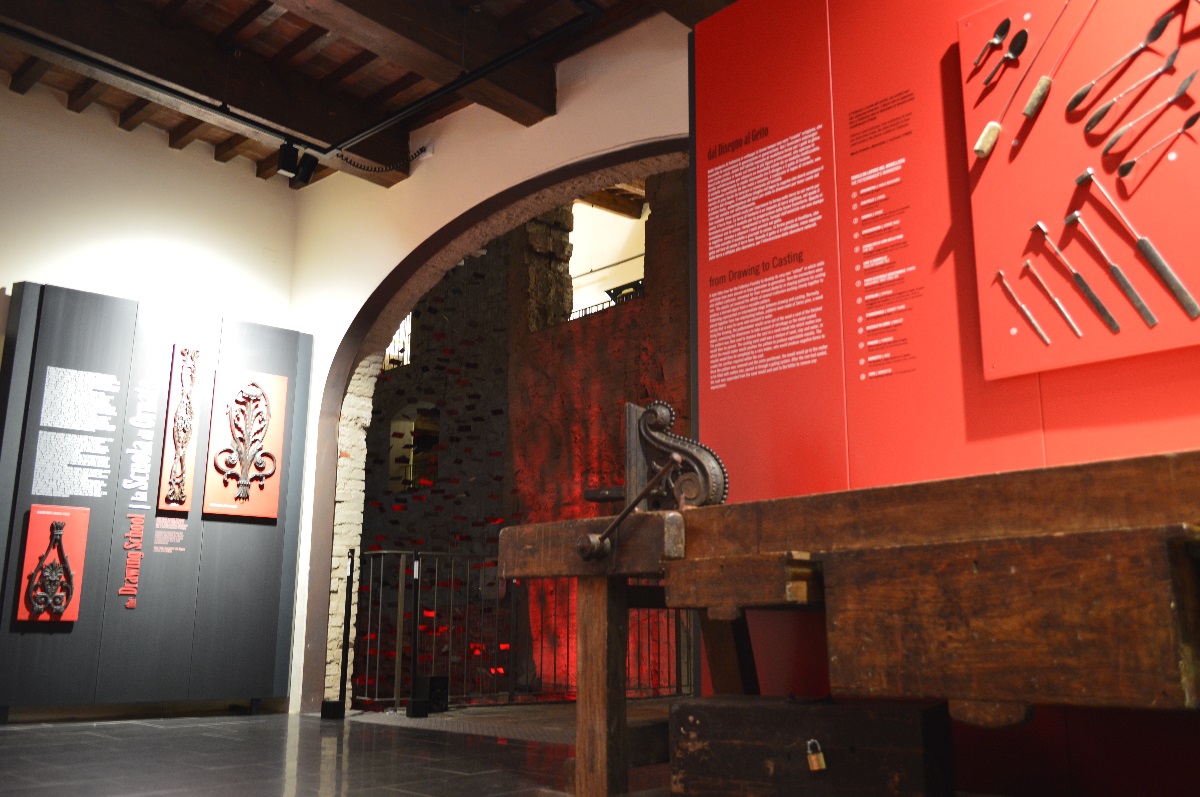
The art: the first floor is dedicated to the school o f the ornate and linear design founded by Leopold II with the intention of making the foundries into proper artistic studios.
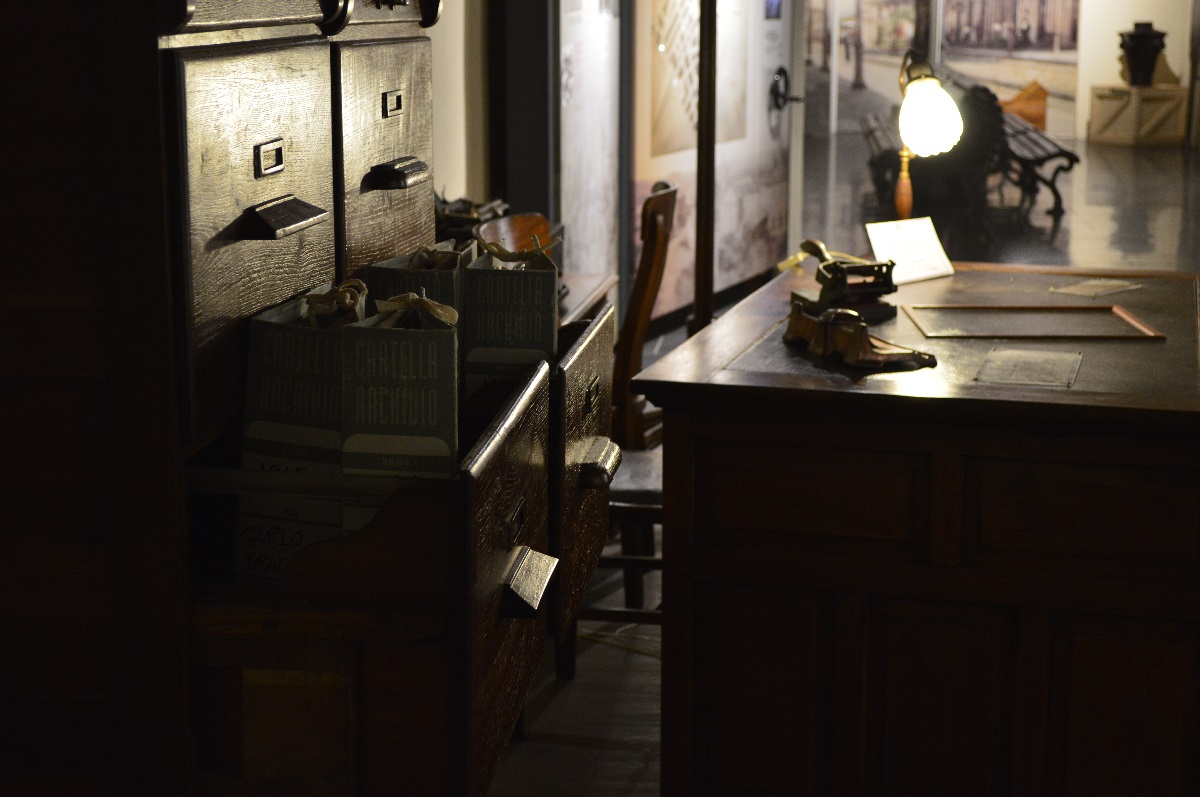
The production of cast-iron for urban furniture accomplished excellent results and the most significant works were gathered in the Getti catalogue, which the visitor can leaf through virtually here.
The last look in this section is for the two most important works of Follonica, the Church of San leopoldo and the Monumental Gate of the Foundries, planned by Alessandro Manetti and Carlo Reihsammer.
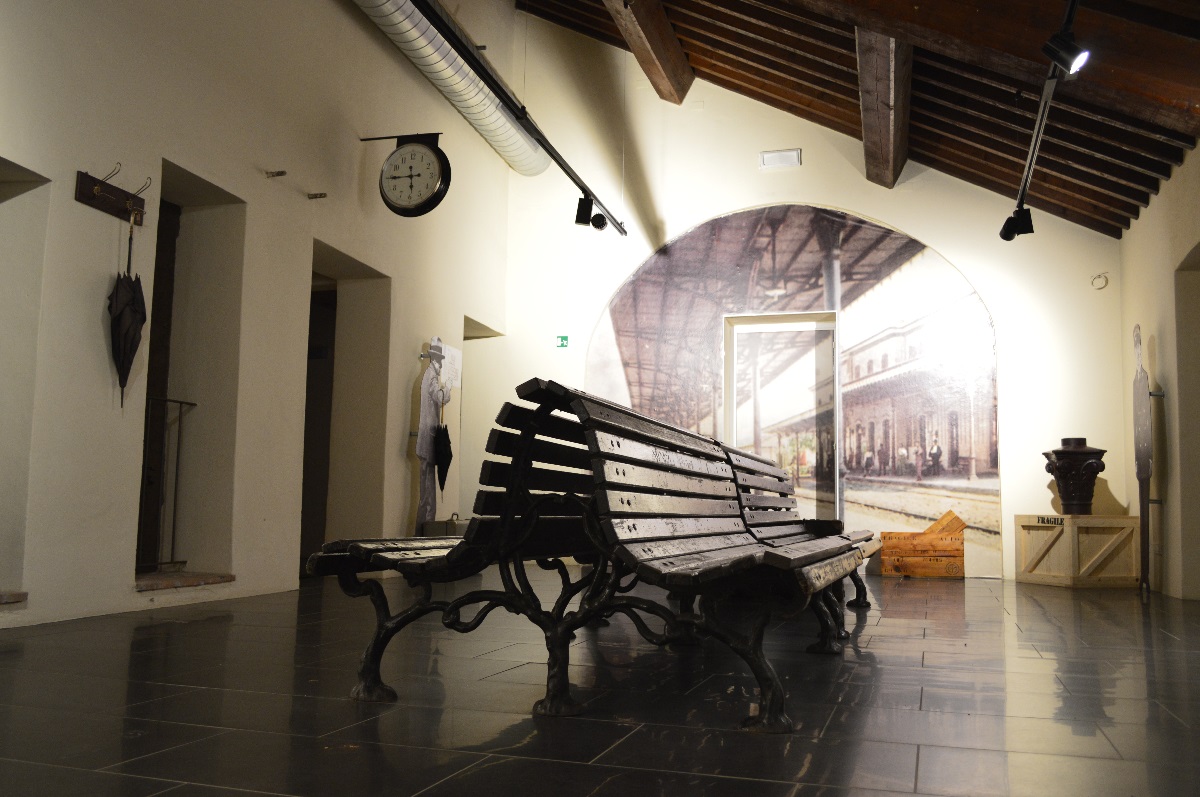
The history: the second floor of the building is a walk through the history of the metallurgic tradition that made Follonica one of the main industrial hubs of Italy in the 19th century. The path moves through the natural resources of the region, with stops on the working of iron in Etruscan times, the meaningful contribution of human resources in the development of the metal-working industry in Maremma, the transport infrastructure from the raw resources to the finished product, and on the use of cast-iron in the world, especially in urban furniture.
The production: the basement is an incredibly interesting place, where through capably restored spaces like the coal stores and the mouth of the furnace you walk through the various phases of the working process. The visitor with the help of an interactive panel, the Fusion game, becomes an active character in the fusion process of iron, calibrating directly the loading of the furnace to get the perfect cast-iron.
The educational workshops
The educational workshops inisde the museum allow students to get closer to the various disciplines which the process of artistic metalworking comprises with the possibility of creating a model from wood or clay, the mold and the actual casting in tin.
MAGMA: door to the national techological park of the metallic Grossetan hills
The National Technological and Archeological Park of the Metallic Grossetan Hills The is home to the places and testaments to the mining activities of the Grossetan hills. In the rooms of the MAGMA ticket office the Gate to the Park of Follonica is housed: welcome and information point and center for informative documentation.
Info and contacts
Via Bicocchi – Follonica
Telephone: Museum +39 0566 59027
email: info@magmafollonica.it
Tickets and prices
Regular € 5.00
Riduced € 4.00 (12-18 years and university students, Over 65, groups of 15 or more and affiliated associations)
Schools € 2.00
Free (under 12, teachers with classes, guides with groups, disabled with companion, Icom, Mibac, Edumuseicard)
May also be interested ...
 Immersioni e snorkeling in vacanza Dopo il meritato relax in spiaggia vivi l’emozione di immergerti alla scoperta degli spettacolari fondali al largo di Castiglione della Pescaia, in ...
 Archaeological Museum of Portus Scabris PORTUS SCABRIS
In 1999, during the works for the construction of the new port at Puntone in Scarlino Municipality, many underwater archaeological fin...
Archaeological Museum of Portus Scabris PORTUS SCABRIS
In 1999, during the works for the construction of the new port at Puntone in Scarlino Municipality, many underwater archaeological fin...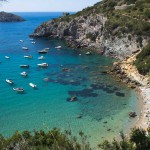 Monte Argentario
Ein Berg zwischen Meer und Land
Der höchste atemberaubende Panoramablick erreicht man auf dem Monte Argentario. Der Vorgebirge ragt bei den Insel...
Monte Argentario
Ein Berg zwischen Meer und Land
Der höchste atemberaubende Panoramablick erreicht man auf dem Monte Argentario. Der Vorgebirge ragt bei den Insel... Santa Caterina e l’antico rito del fuoco Il 24 novembre, a Santa Caterina, frazione del comune di Roccalbegna, si celebra la vigilia del martirio della santa da cui il borgo prende il nome. D...
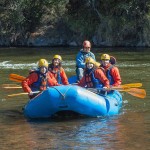 Soft rafting sull’Ombrone: una nuova avventura per gli studenti toscani Pochi mesi fa veniva firmato il protocollo d’intesa tra l’Associazione Terramare, l’Assessorato allo sport del Comune di Grosseto e UISP per la ...
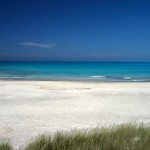 Spiagge di Capalbio Una striscia di 12 km di sabbia che va dal nero al bianco, dalla parte del promontorio di Ansedonia che guarda a sud al confine tra Toscana e Lazio. Q...
 Mountain Bike
Riding, riding, riding…
The Maremma offers 35 dedicated cycle routes. Maremma is the ideal place for cyclists who want to discover this paradise...
Mountain Bike
Riding, riding, riding…
The Maremma offers 35 dedicated cycle routes. Maremma is the ideal place for cyclists who want to discover this paradise...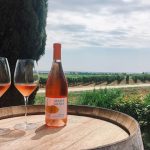 La badiola estate | Acquagiusta Wine
Acquagiusta Wine, la Badiola keep: the cellar that transforms maremma into wine
Good wine and Maremma, perfect duo
Bas...
La badiola estate | Acquagiusta Wine
Acquagiusta Wine, la Badiola keep: the cellar that transforms maremma into wine
Good wine and Maremma, perfect duo
Bas...